
Many of us go for digestive check-ups and receive results showing HP(+) in the stomach. So, what is HP, and is a positive HP result dangerous? Let’s find out together with VNBioMed.
Helicobacter pylori (H.pylori) is a type of bacteria that thrives in the stomach’s inner lining. It is responsible for a widespread stomach infection and is a leading cause of stomach cancer, as well as certain forms of gastric lymphoma.
What we need to know about HP
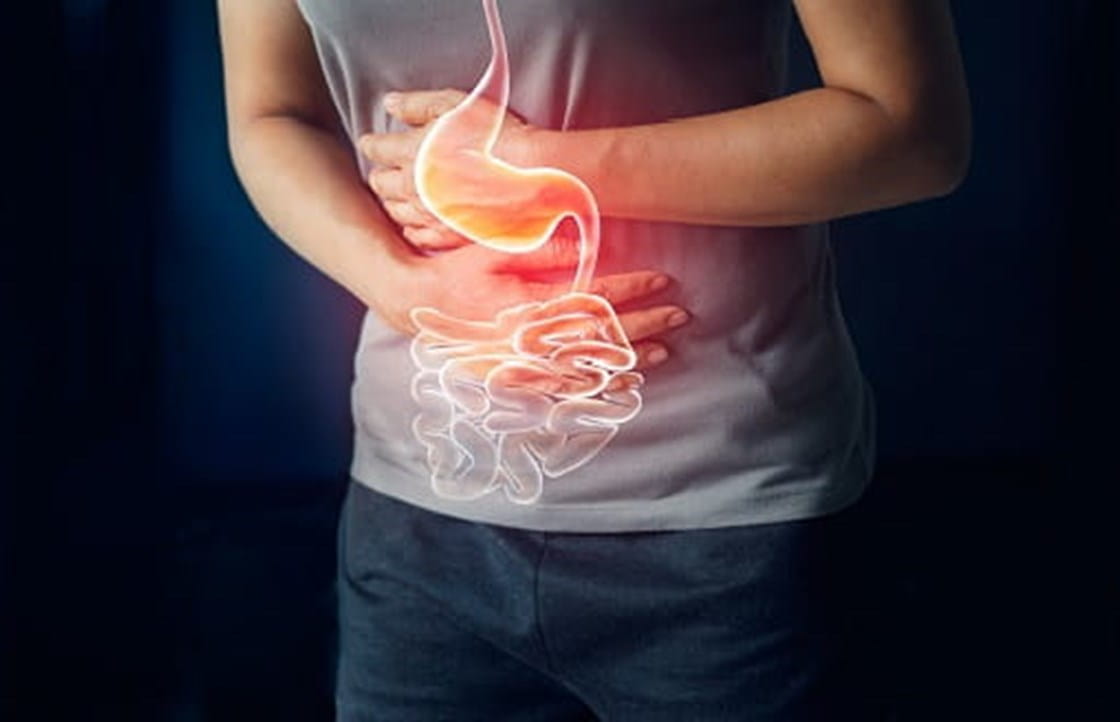
H. pylori can be found in about half of the world’s population. Generally, rates of H. pylori infection are higher in developing countries than in developed countries. Some groups of people have much higher infection rates, including First Nations communities and immigrants from countries such as Japan, Korea and China, where there is a high incidence of H. pylori infection.
Most H. pylori infections occur in childhood. H. pylori infection usually lasts for life unless it is treated. Most people infected with H. pylori don’t have any symptoms or health problems related to the bacterium. Some people with long-lasting infection develop symptoms, such as stomach pain, nausea or vomiting. H. pylori can cause long-lasting inflammation of the inner lining of the stomach (gastritis) and stomach ulcers. About 10% to 15% of people with H. pylori infection develop peptic ulcer disease (sores or ulcers in the lining of the stomach or duodenum of the small intestine).
Source: Canadian Cancer Society
How is H.pylori spread?
It’s not known for sure how H. pylori spreads, but it’s thought to spread through food that’s not been washed well or cooked properly. People may also get it from drinking water from an unclean source. It may also be passed from person to person through direct contact with the saliva or poo of an infected person.
What are the risk factors for H. pylori?
Risk factors related to H. pylori infection include:
- crowded living conditions
- poor sanitation
- lower socio-economic status
H. pylori and cancer
H. pylori infection causes some cancers and other illnesses.
| Stomach cancer H. pylori infection is a major cause of stomach (gastric) cancer. H. pylori causes long-lasting gastritis, which is thought to be the first step in developing stomach cancer. But it’s important to know that fewer than 3% of people with H. pylori infection develop stomach cancer. | MALT lymphoma H. pylori infection is related to a higher risk of MALT lymphoma of the stomach. This is a type of non-Hodgkin lymphoma. Nearly all MALT lymphomas of the stomach are related to H. pylori infection. People infected with H. pylori have a low risk of developing MALT lymphoma (less than 1%). |